Emergency Leak Detection in Delray Beach, Boca Raton, Boynton Beach & Palm Beach County
Find hidden leaks fast with non-invasive electronic detection technology. Slab leaks, underground pipe leaks, ceiling and wall leaks, and concealed water line leaks located precisely — day or night.
Our Leak Detection Services
Clearview Plumbing & Gas provides comprehensive leak detection services throughout Delray Beach, Boca Raton, Boynton Beach, and all of Palm Beach County. Licensed, insured, and committed to honest pricing.
Recent Work in Palm Beach County
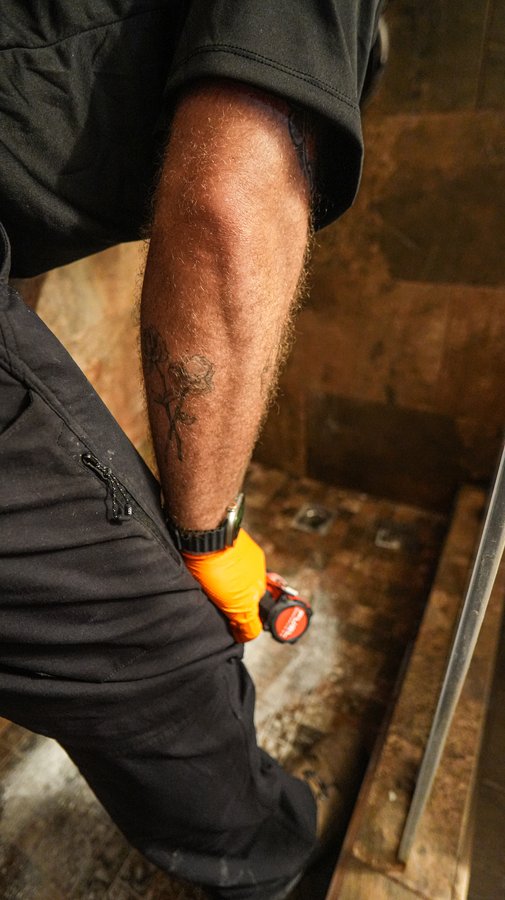
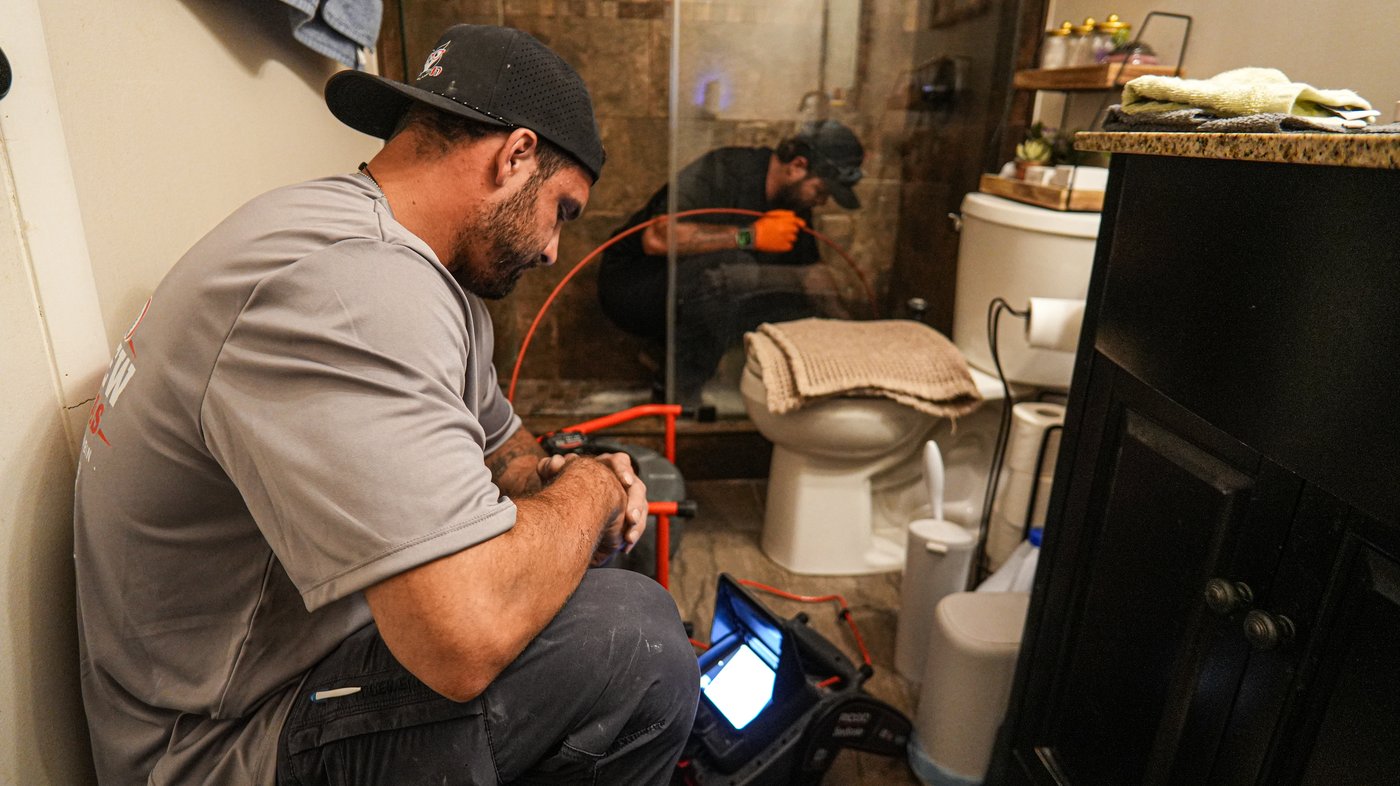
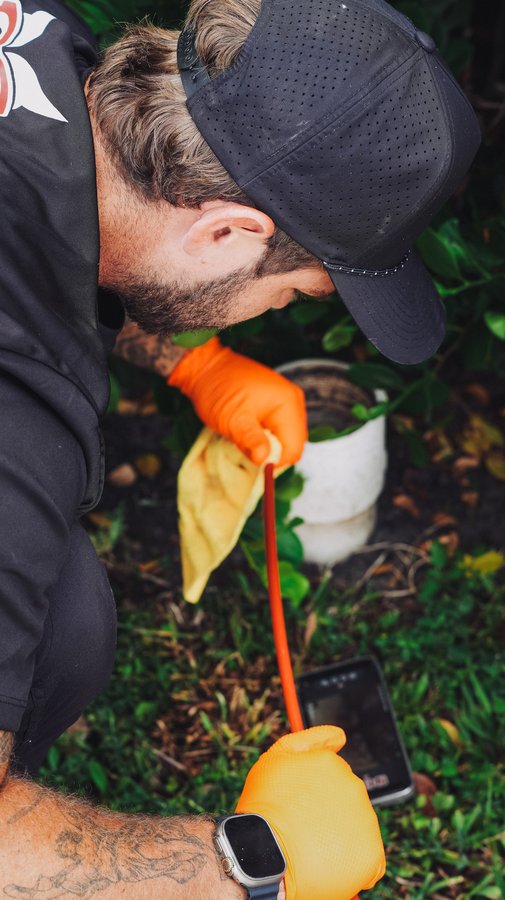
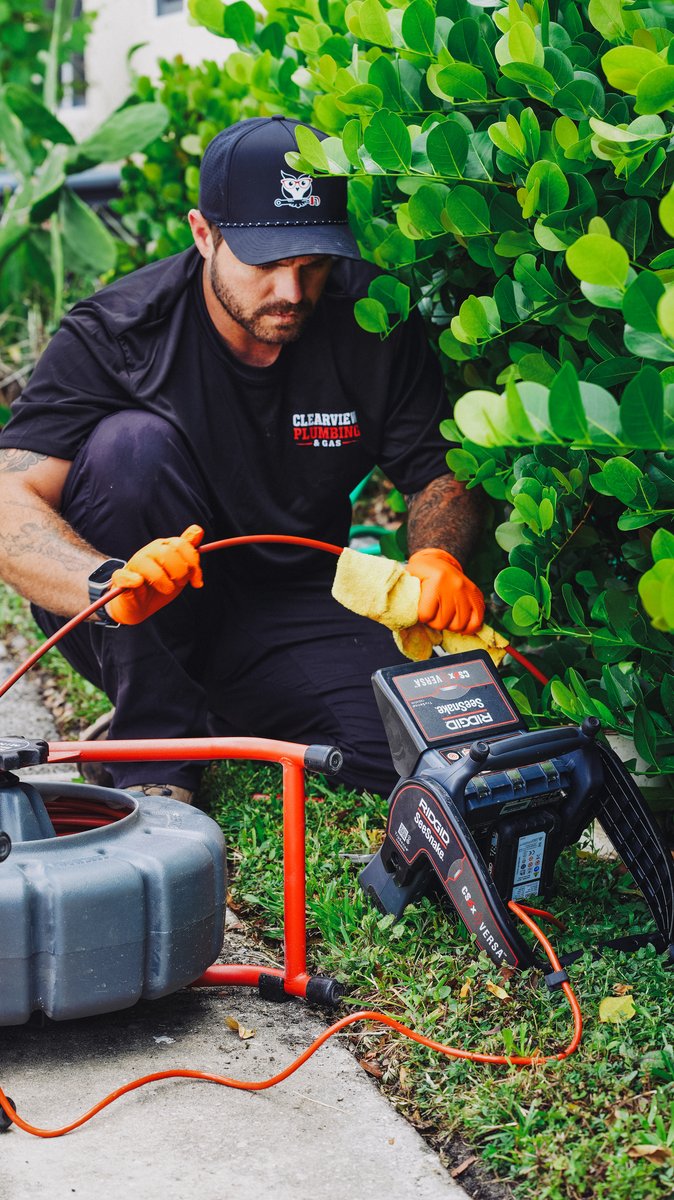
Why Leak Detection Matters
A leak you can't see is still doing damage. Water that's escaping under your slab, inside a wall, or below your yard doesn't wait for you to notice — it keeps running, and every day it runs it costs you more. We've walked into homes where a "small" leak had been quietly soaking a slab for months. By the time it showed up as a warm spot on the floor or a hairline crack in the tile, the water had already undermined the foundation and started growing mold behind the drywall. Catching a leak early with proper detection equipment is almost always cheaper — and less invasive — than dealing with what happens if it goes undetected.
Four things tend to happen when a hidden leak goes unaddressed: your water bill climbs for no obvious reason, moisture works its way into places where mold and mildew can take hold, structural elements like slabs, subfloors, and framing start to weaken, and what would have been a simple repair turns into a much bigger, much more expensive project. Finding the leak — precisely, without guessing — is the first and most important step.
Signs You Have a Hidden Leak
Most hidden leaks give off warning signs well before they become visible. Here's what we'd tell you to watch for:
- Your water bill jumps noticeably with no change in usage
- You hear running water when every fixture in the house is off
- Warm or damp patches on the floor, especially on tile or concrete slabs
- Low water pressure at faucets or showerheads that wasn't there before
- A musty smell, or mold and mildew showing up in spots that don't normally get wet
- Cracks appearing in tile, flooring, or drywall for no clear reason
- The sound of running water under the slab or in the yard
- Unexpectedly lush or soggy patches of grass in the yard
If you're seeing even one or two of these, it's worth having it checked before it turns into something bigger.
Slab Leak Warning Signs
A slab leak is a leak in the water or drain lines running underneath your home's concrete foundation. Because you can't see the pipe, the first sign is usually indirect: a warm spot on the floor if it's a hot water line, a section of flooring that feels damp or has started to buckle, or a spike in your water bill with no obvious cause. Some homeowners notice a faint sound of running water even with everything in the house turned off. Slab leaks are one of the few plumbing problems where waiting genuinely makes things worse — the longer the water runs beneath the foundation, the more it can erode the soil supporting the slab and lead to cracking. This is exactly the kind of leak where precise, non-invasive detection matters most, because nobody wants a crew tearing up a concrete floor to search for a pipe when we can pinpoint it first.
Underground Water Line Leaks
The water line running from your meter to your house — and any irrigation lines branching off it — can develop leaks underground, often with no visible sign except a soggy patch of yard or a water bill that doesn't add up. These are common in older Palm Beach County homes where original piping has had decades to corrode or shift with the soil. We use acoustic listening equipment to trace the line and narrow the leak down to a specific section before any digging happens, so repairs stay targeted instead of turning your whole yard into a excavation site.
Ceiling Leaks
Water stains on a ceiling almost always mean a leak somewhere above — but not always directly above the stain. Water travels along joists and framing before it shows up, so the actual source could be a bathroom, an AC condensate line, or a pipe running through the floor above. We trace the path rather than guessing at the closest fixture, which saves you from opening up drywall in the wrong spot.
Wall Leaks
A leak inside a wall cavity is one of the trickiest to spot early, because drywall hides it until moisture has already spread. Peeling paint, a soft or bulging section of wall, or a musty smell near a bathroom or kitchen wall are usually the first clues. Electronic moisture meters and thermal imaging let us find the wet area behind the wall without cutting it open first, so we know exactly where to open up — and where not to.
Yard Leaks
If part of your lawn stays greener or wetter than the rest, or you notice standing water with no rain to explain it, there's a good chance a supply or irrigation line is leaking underground. Left alone, yard leaks waste a surprising amount of water and can eventually undermine walkways, patios, or the edge of your foundation. We can usually pinpoint these within a few feet using acoustic detection, which keeps the digging — and the cost — to a minimum.
Quick DIY Test: Check Your Water Meter for a Leak
Want to check for a hidden leak yourself before calling us? Here's the simplest test:
- Make sure no water is running anywhere in the house — no faucets, no washing machine, no irrigation.
- Find your water meter (usually near the street) and note the reading, or watch the small leak-indicator dial if it has one.
- Wait 1–2 hours without using any water, then check the meter again.
- If the reading changed, or the leak indicator moved, water is running somewhere in your system even though nothing is turned on.
This test tells you a leak exists — it won't tell you where. That's where electronic leak detection comes in.
Emergency Leak Detection — Available 24/7
Some leaks can wait for a scheduled appointment. Others can't. If you're dealing with active water intrusion, a spiking meter you can't explain, or water coming up through the floor, that's an emergency — and we treat it like one. We offer 24/7 emergency leak detection throughout Delray Beach, Boca Raton, Boynton Beach, and the rest of Palm Beach County, with the same detection equipment and the same honest approach whether it's 2pm or 2am.
How We Find Leaks Without Guessing
We don't open walls or break concrete to go looking for a leak — we find it first, then repair only what needs to be repaired. That's done with a combination of three tools, used together depending on the situation:
Electronic Leak Detection
Ground microphones and amplified listening devices pick up the sound of water escaping under pressure, letting us trace a line and zero in on the leak point.
Thermal Imaging
Infrared cameras reveal temperature differences caused by moisture behind walls, floors, and ceilings — useful for spotting wet areas before any damage is visible to the eye.
Acoustic Leak Detection
Specialized acoustic equipment traces underground water and sewer lines by sound, narrowing a leak's location to within a small, targeted area before any digging starts.
Leak Detection vs. Leak Repair — What's the Difference
These are two separate jobs, and it's worth understanding why. Leak detection is the diagnostic step: locating exactly where water is escaping, using electronic, thermal, or acoustic equipment, without cutting into anything. Leak repair is the fix itself — patching or replacing the section of pipe once we know precisely where it is. Skipping detection and going straight to repair means guessing at the source, which can mean opening up multiple sections of wall, floor, or yard before finding the actual problem. Doing detection first means the repair — when it's needed — is targeted, faster, and less destructive to your home.
Leak Detection
Locates the leak precisely. Non-invasive. Uses electronic, thermal, and acoustic equipment. Answers the question "where is it?"
Leak Repair
Fixes the leak once it's found. Patches, re-pipes, or replaces the affected section. Answers the question "how do we fix it?"
Why Professional Leak Detection Saves You Money
It might seem cheaper to skip professional detection and just start opening up walls or digging up the yard where you think the leak is — but that approach usually costs more, not less. Every section of drywall, tile, or landscaping that gets opened up unnecessarily is money spent repairing damage that didn't need to happen. Add in the ongoing cost of water escaping into your system every day the leak goes unfound, plus the risk of mold remediation or structural repair if it's caught late, and professional detection pays for itself by keeping the repair small and specific instead of turning into a much larger project.
"These guys were so quick to respond and got the job done perfectly! I will be a return client for sure!"
— Jeremiah Ayers, Google Review
Suspect a Hidden Leak? Don't Wait.
561-971-5671